
Tag: rock climbing
-
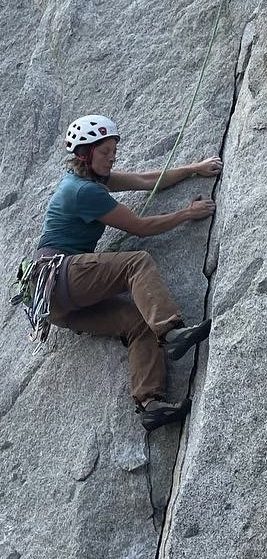
Shoulder MRI Findings in Asymptomatic Elite Rock Climbers
As described in previous blogs about injury risk, flexor tendon pulleys, and climbing techniques, rock climbing injuries are a common reason people seek physical therapy in South Boulder. Some of these climbers have gotten magnetic resonance imaging (MRI), which can show pathology such as rotator cuff tears. As MRI technology improves, it is important to…
-
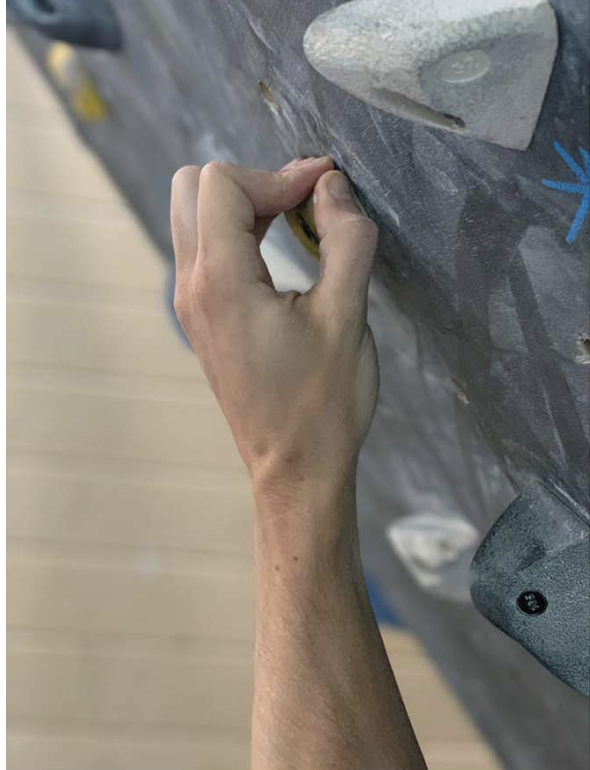
Flexor Tendon Pulley Injuries in Rock Climbers
In Rock Climbing Part 1, we learned that one of the most commonly injured body parts in climbing is the finger. 67% of rock climbers had experienced a finger injury during a three year review, and 40% of chronic climbing injuries are finger injuries. In Rock Climbing Part 2, we reviewed different climbing moves and…
-
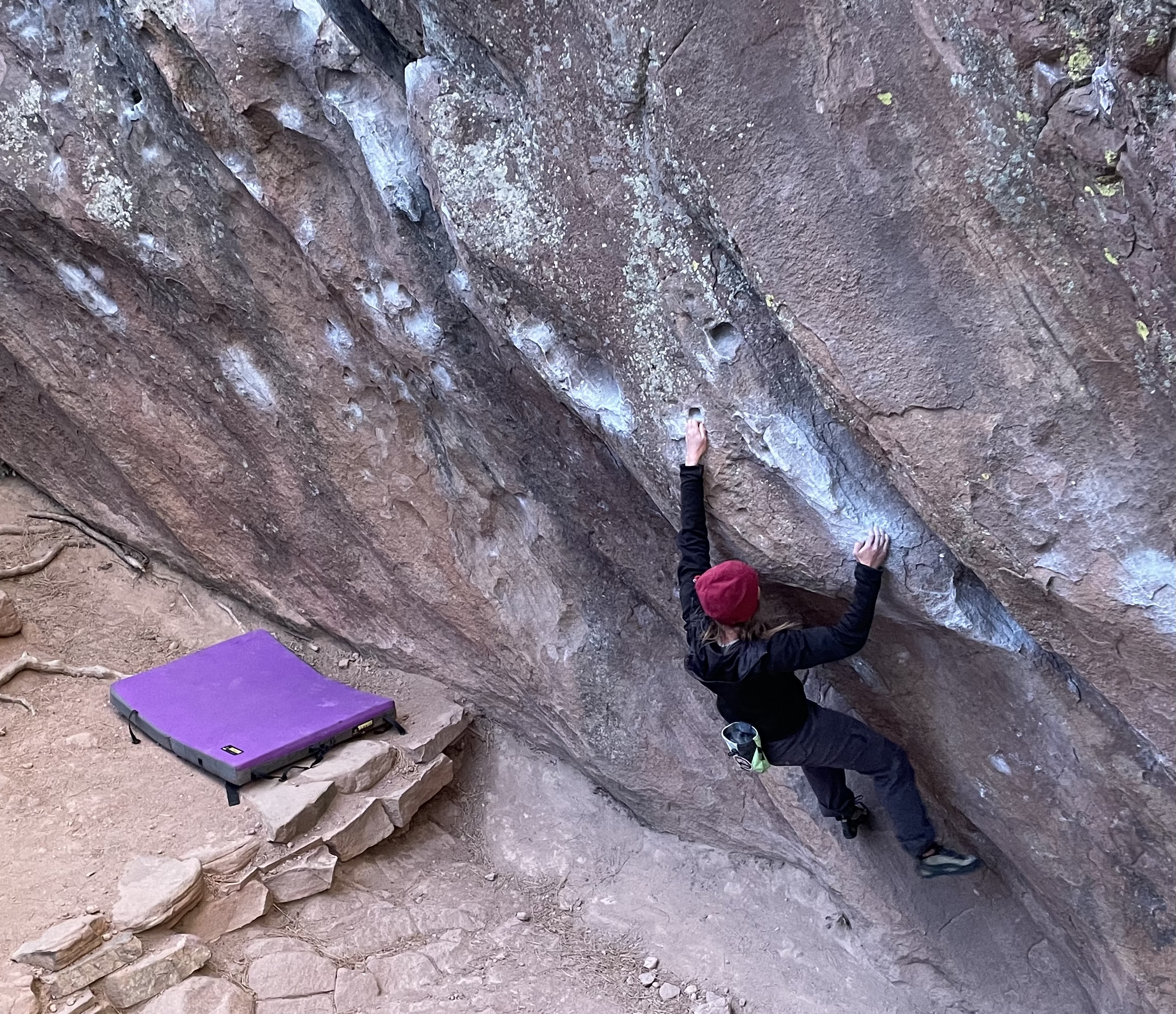
Rock Climbing Part 2: Climbing Moves and What’s Required
In Rock Climbing Part 1, we reviewed the literature to better understand common climbing injuries and risk factors. In this part, we will learn about common climbing moves, and what is required for your body to safely perform them. The climbing techniques we will discuss are: The Crimp, The Jam, The Gaston, The Lock Off,…
-
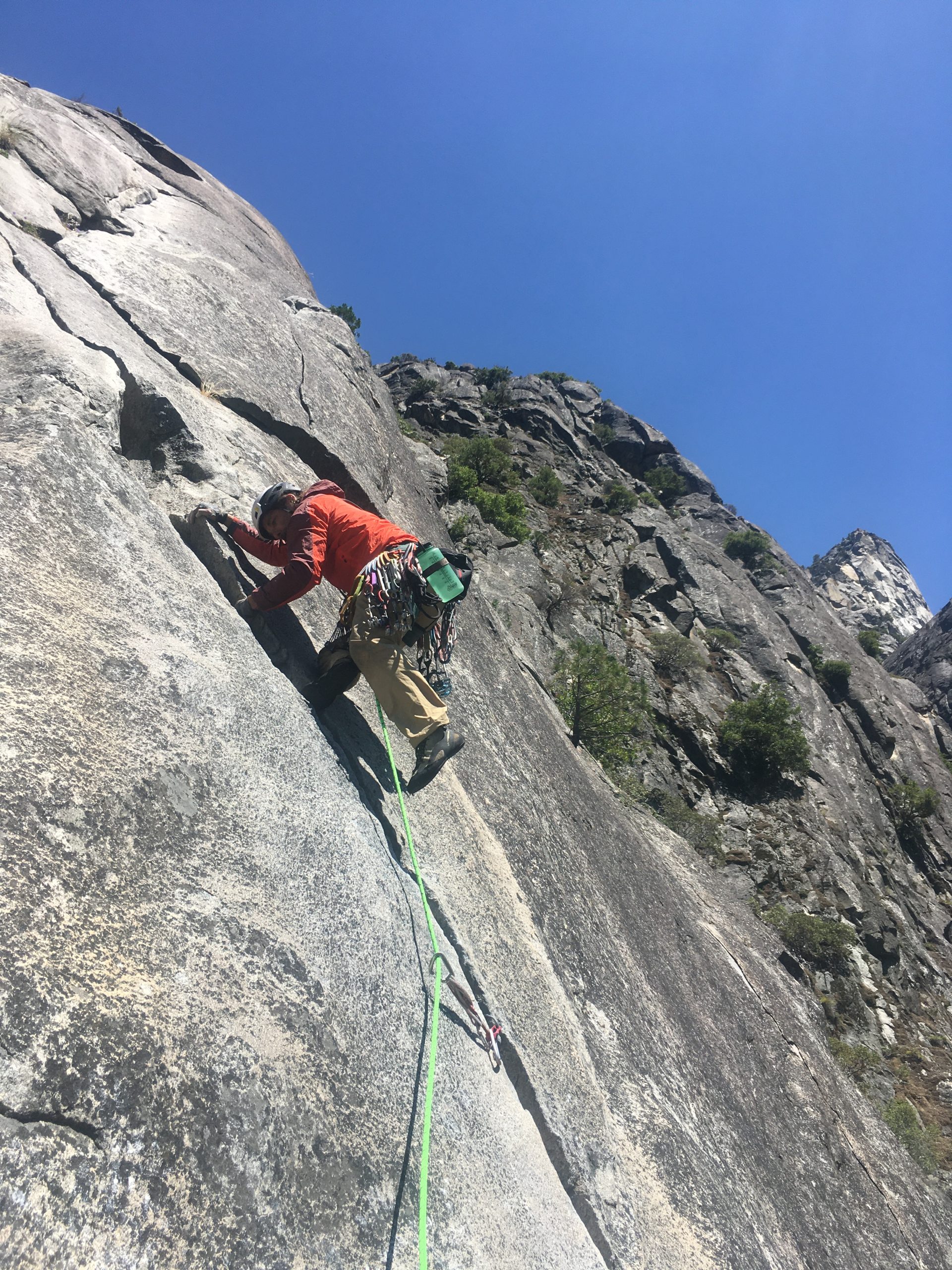
Rock Climbing Part 1: Risk Factors for Injury
Rock Climbing is a very popular activity in Colorado, and climbing injuries are a common reason people seek physical therapy in South Boulder. To better understand the demographics and risk factors that can result in a climbing injury, we’ve summarized some research with the relevant findings below! Prevalence of Injuries: Common Injuries: Injuries per Climbing…
-
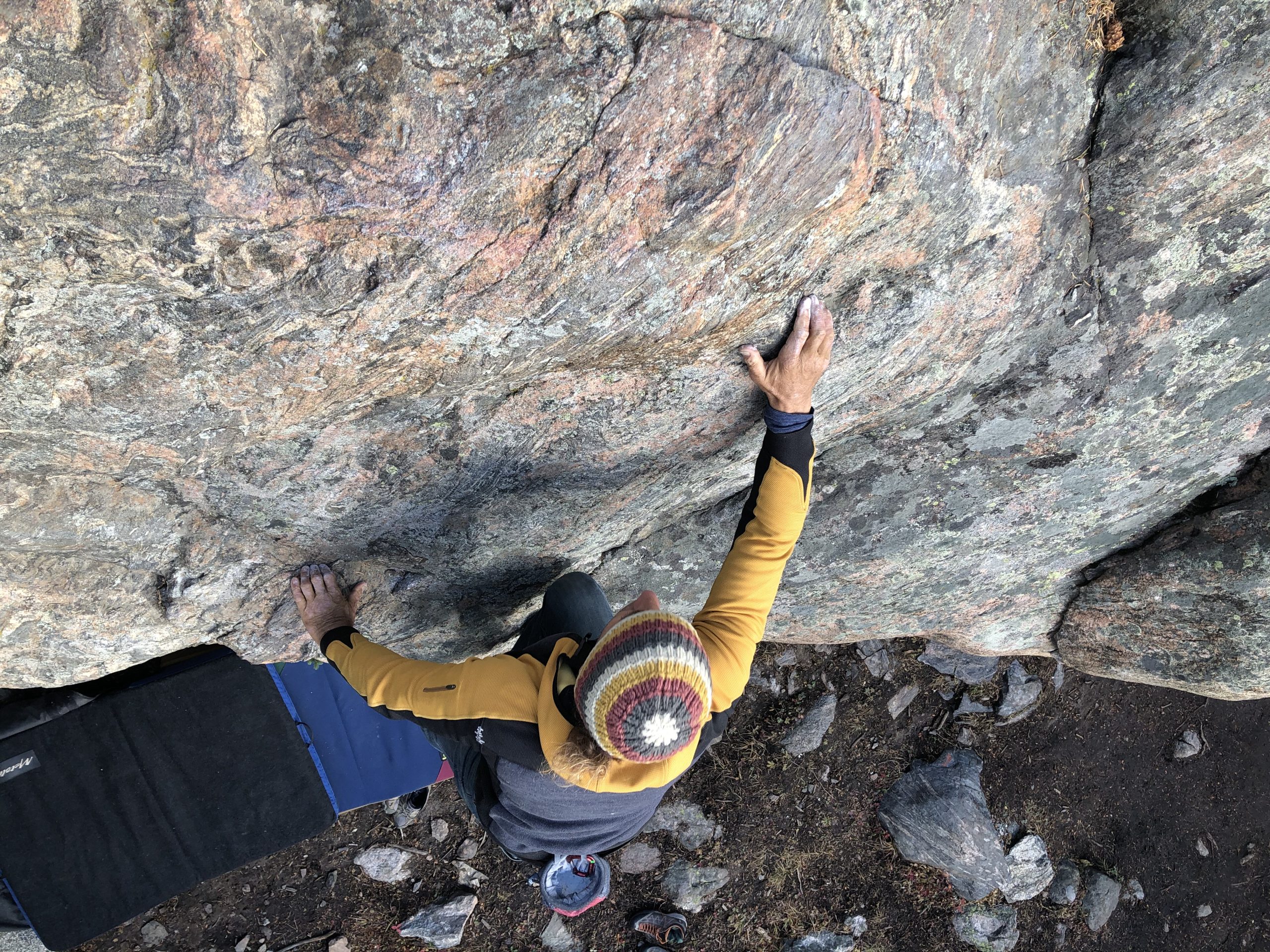
Thoracic Mobility for the Overhead Athlete
Many of the overhead athletes, including rock climbers and surfers, who come to Sea to Summit Physical Therapy in Boulder, Colorado, are seeking treatment for shoulder or low back pain. While investigating root causes for these concerns, a common theme arises: a lack of thoracic mobility. The thoracic spine consists of the 12 vertebrate (T1…