-
Pain Reprocessing Therapy (PRT)
Some people come to Sea to Summit Physical Therapy in South Boulder because of persistent pain and dizziness. In fact, you are likely to know someone who experiences chronic pain as it affects approximately 21% of adults in the United States.
-
Assessment for Neuroplastic Pain
In the blogs: About Pain and Pain Reprocessing Therapy, we discussed that all pain is a message from the brain, and that the brain will sometimes misinterpret safe sensations as unsafe, which is often what happens when people experience chronic pain. This misinterpreted pain is called neuroplastic pain. The following…
-
The Boulder Back Pain Study – 5 Years Later
In 2021, a randomized clinical study was conducted to assess the response of individuals with chronic low back pain to a treatment called Pain Reprocessing Therapy (PRT). PRT is a psychological intervention that emphasizes that the brain can create pain in the absence of tissue damage and that teaches the…
-
The Boulder Back Pain Study
A common injury for which people seek physical therapy in Boulder, Colorado is back pain. In fact, low back pain leads globally in years lived with disability, having increased by over 60% between 1990 and 2017 despite an increase in research and money spent on treating it., In 2021, a…
-
Exercise and Dementia: More motivation to move and why it’s never too late!
A recent cohort study published in JAMA demonstrated an association between physical activity levels in mid-late adult life (45-88 years old) and decreased dementia risk.1 A statistically significant difference was found between those who had a high level of physical activity in later life and those with a lower level of…
-
Shoulder MRI Findings in Asymptomatic Elite Rock Climbers
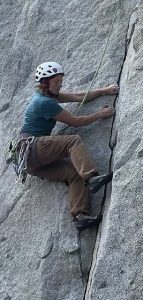
As described in previous blogs about injury risk, flexor tendon pulleys, and climbing techniques, rock climbing injuries are a common reason people seek physical therapy in South Boulder. Some of these climbers have gotten magnetic resonance imaging (MRI), which can show pathology such as rotator cuff tears. As MRI technology…
-
Flexor Tendon Pulley Injuries in Rock Climbers
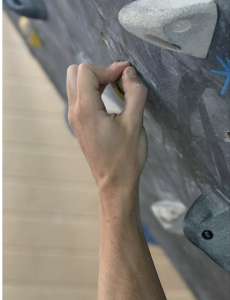
In Rock Climbing Part 1, we learned that one of the most commonly injured body parts in climbing is the finger. 67% of rock climbers had experienced a finger injury during a three year review, and 40% of chronic climbing injuries are finger injuries. In Rock Climbing Part 2, we…
-
Rock Climbing Part 2: Climbing Moves and What’s Required
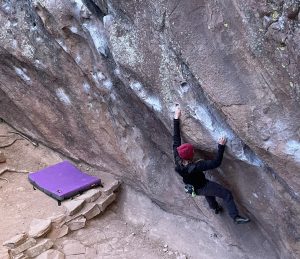
In Rock Climbing Part 1, we reviewed the literature to better understand common climbing injuries and risk factors. In this part, we will learn about common climbing moves, and what is required for your body to safely perform them. The climbing techniques we will discuss are: The Crimp, The Jam,…
-
Rock Climbing Part 1: Risk Factors for Injury
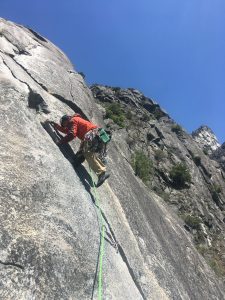
Rock Climbing is a very popular activity in Colorado, and climbing injuries are a common reason people seek physical therapy in South Boulder. To better understand the demographics and risk factors that can result in a climbing injury, we’ve summarized some research with the relevant findings below! Prevalence of Injuries:…
-
Will I Need Surgery for My Rotator Cuff Tear?
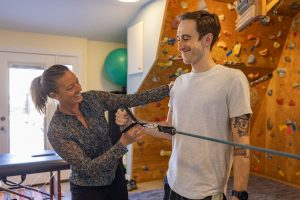
A common injury for which people seek physical therapy in Boulder, Colorado is shoulder pain, which sometimes leads to the diagnosis of a rotator cuff tear. The diagnosis of a rotator cuff tear then leads to the question: Do I need surgery? In 2024 a prospective cohort study was conducted…
-
Understanding Dry Needling
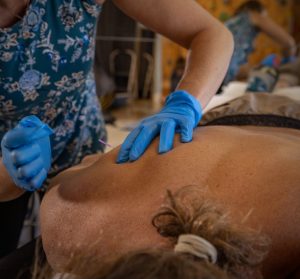
What is Dry Needling? Dry needling is a technique used by physical therapists to treat pain and movement impairments. The method involves inserting thin, monofilament needles into neural, muscular, and connective tissue tissue to stimulate a healing response. What Does Dry Needling Do? Dry needling primarily aims to relieve pain…
-
About Pain
Pain is a common reason people seek physical therapy in Boulder. Pain lasting more than three months is considered chronic, and over 20% of adults in the United States experience chronic pain. Regardless of whether the pain started earlier (acute pain), or a long time ago, it is important to…
-
The Autonomic Nervous System and (Your Symptom Here)
People will often seek care at my Boulder physical therapy practice for symptoms after concussion, including dizziness, headache, and balance difficulties. I recently had the honor of speaking at The American College of Sports Medicine’s annual conference in Boston, MA. The topic was Autonomic Nervous System (ANS) Dysfunction in Concussion…
-
Thoracic Mobility for the Overhead Athlete
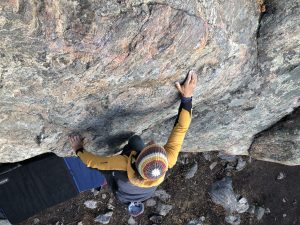
Many of the overhead athletes, including rock climbers and surfers, who come to Sea to Summit Physical Therapy in Boulder, Colorado, are seeking treatment for shoulder or low back pain. While investigating root causes for these concerns, a common theme arises: a lack of thoracic mobility. The thoracic spine consists…
-
Running-Related Injuries: Common Risk Factors
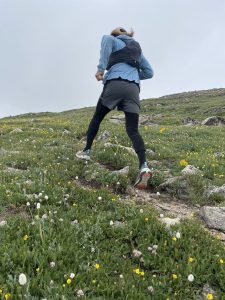
Spring is in the air in Boulder, Colorado, bringing out the flowers, birds, and…runners! If you are among the many in Boulder lacing up and hitting the trails and paths this season, you may be interested in the findings of a recent systematic review on running-related injuries. Factors that were…
-
Sport Concussion Update
In 2022, the 6th International Conference on Concussion in Sport was held to prepare an updated evidence-informed consensus statement for the management of sport concussion. Below is a summary of the panel’s definition of sport-related concussion and their updated recommendations (11 R’s). Definition: Sport-related concussion is a traumatic brain injury…